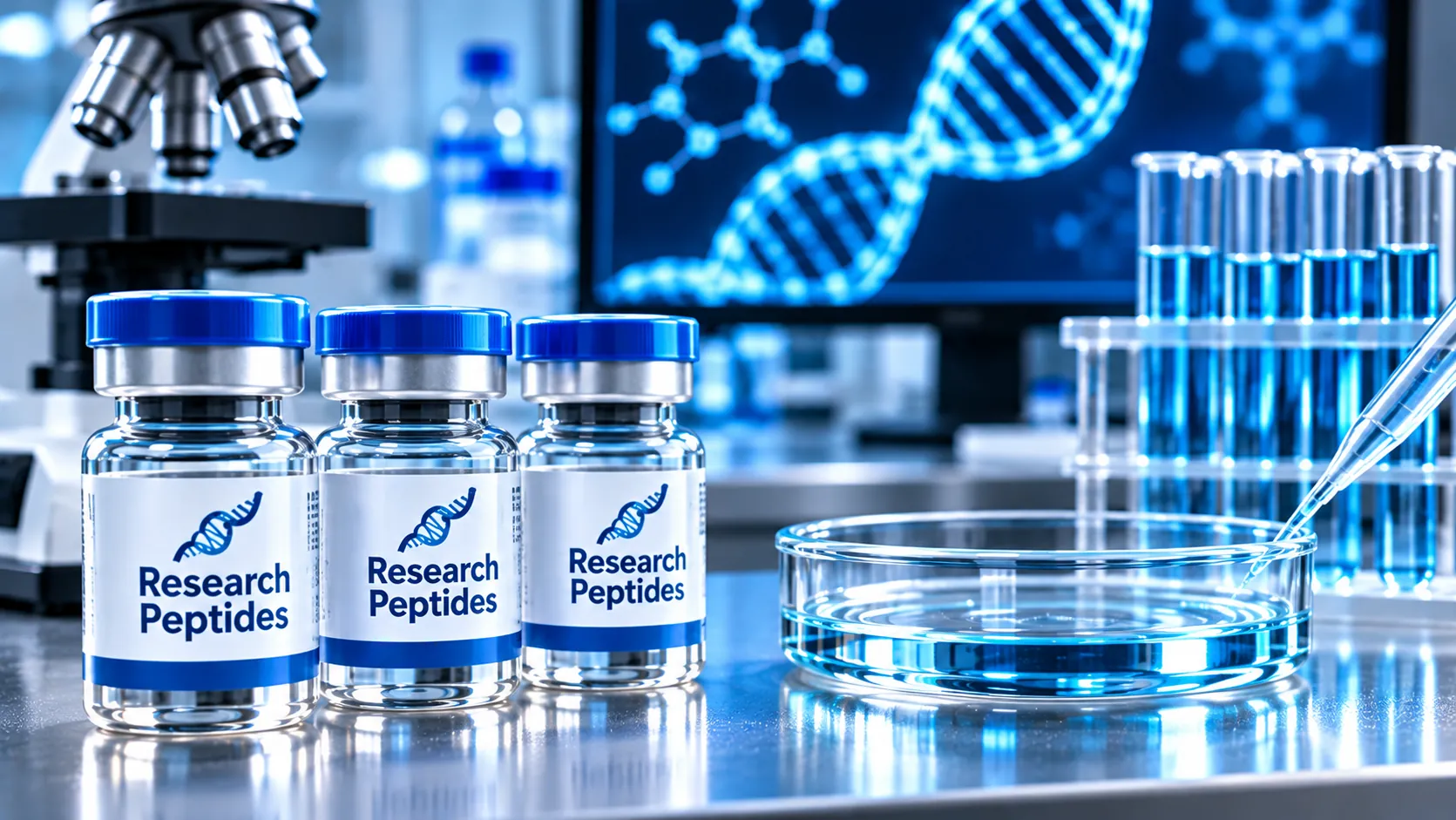
Laboratory Workflow
A clear laboratory workflow begins with a well-defined question and follows through with material context, appropriate procedures, documentation, and thoughtful interpretation.
Building a Traceable Research Workflow
An organized research workflow begins by defining the question clearly enough to guide choices about information, materials, and observations. A broad interest in peptide science becomes more manageable when the objective identifies the particular characteristic or comparison under consideration.
Planning also makes room for constraints. Relevant materials, laboratory procedures, available instruments, and the intended scope of a study should be considered before interpreting any result. The aim is not to assume that one standard procedure answers every question, but to understand why a given approach fits the objective.
Documentation as the Link Between Work and Review
Documentation connects the plan to what actually happened. Sample identifiers, method descriptions, dates, observations, and departures from the expected procedure can help a later reader reconstruct the context. A final statement is easier to evaluate when the records supporting it can be followed.
Review is a separate stage from data collection. Interpreting findings calls for attention to the method used, the uncertainty in the observations, and questions that remain open. A result may support a narrow conclusion while leaving broader claims untested, and recognizing that boundary is part of a sound workflow.
A useful workflow can therefore be summarized as a sequence of decisions: define the question, document the work, and review the evidence against the original objective. Keeping these stages connected encourages clarity without presenting any single method as suitable for all studies.