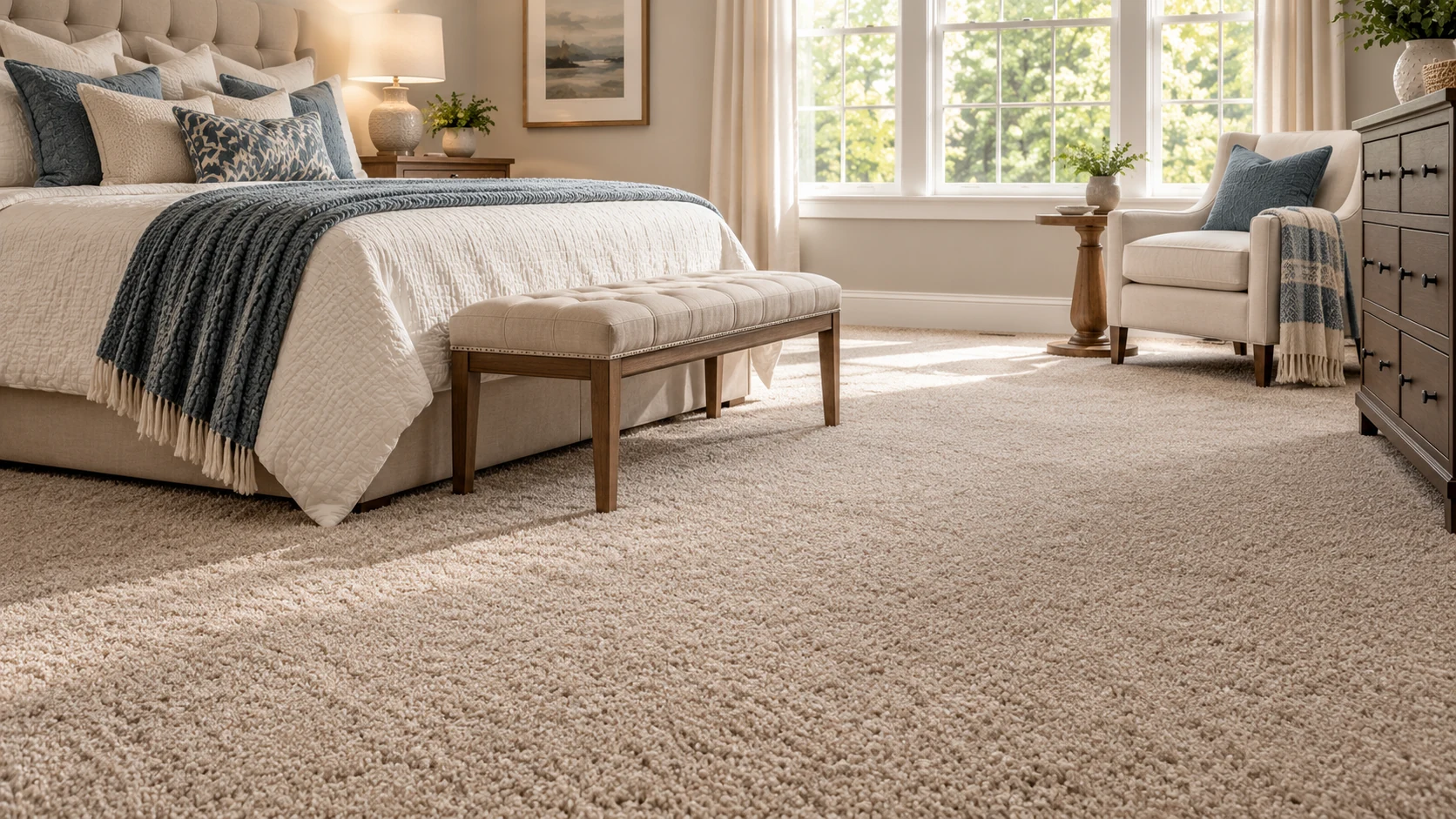
Carpet
Carpet can change the comfort, acoustics, and visual warmth of a room. Fiber feel, pile, color, and intended use all influence the final choice.
- Texture, pile, and color considerations
- Comfort, texture, and room-use considerations
- Use review before work begins
Comparing Carpet for Comfort, Texture, and Room Needs
Carpet selection often starts with softness, but the feel of a sample is only one part of the decision. Fiber type, pile construction, density, and the material beneath the carpet all help shape the finished result. Compare products by how they are intended to be used, rather than assuming the plushest display sample is the best match for every room.
Different spaces place different demands on carpet. A bedroom may prioritize a gentle feel and a calm visual tone, while stairs or a frequently used family area raise questions about traffic and maintenance. The same color and construction may also look different in strong daylight and in softer evening lighting.
Texture Changes with Light and Use
Pile direction and texture can affect appearance in ways that are easy to miss on a small swatch. Some carpets show shading, vacuum marks, or changes in how fibers reflect light. Looking at a larger sample and considering the room from several angles can help set realistic visual expectations.
Comfort is also connected to what happens beneath the surface. Cushion selection and subfloor conditions may influence support, feel, and installation requirements. The appropriate combination depends on the carpet product and its specifications, so each component should be considered as part of one flooring system.
Care and Support Matter
Before making a decision, ask about recommended cleaning methods, spot-care procedures, transitions at doorways, and the intended traffic level. These practical questions are especially useful for homes with active households, pets, or rooms that serve more than one purpose.